

Recovery has evolved from a niche topic into a central pillar of modern performance and lifestyle products.
Consumers today are not only focused on training intensity, but increasingly on how quickly they can recover, stay consistent and maintain performance over time. This creates a demand for formulations that fit into daily routines while supporting post-exercise recovery and overall resilience.
For brands, the challenge lies in combining performance-oriented positioning with broad usability – creating products that appeal to both dedicated athletes and everyday consumers.
Ingredient concepts in this space focus on supporting recovery processes, reducing perceived fatigue and enabling more consistent performance without overcomplicating the product.

Mental performance has become a key focus in today’s always-on, high-demand environments.
Consumers are looking for solutions that help them stay focused, maintain clarity and manage cognitive load throughout the day – whether in professional, academic or everyday settings.
At the same time, brands face the challenge of balancing immediate, noticeable effects with long-term positioning around well-being and mental balance.
Successful concepts in this category often combine functionality with a clean, credible positioning that fits into daily routines without being overly complex or overstated.

Metabolic health and weight management remain among the most competitive and fast-moving segments in the nutraceutical market.
Consumers are increasingly moving away from short-term solutions and instead look for products that support long-term balance, energy levels and sustainable lifestyle changes.
For brands, this creates the challenge of developing concepts that are both effective in perception and credible in positioning – without overpromising or relying on outdated approaches.
Ingredient strategies in this area focus on supporting metabolic activity, energy utilization and balanced nutrition concepts that integrate into everyday routines.
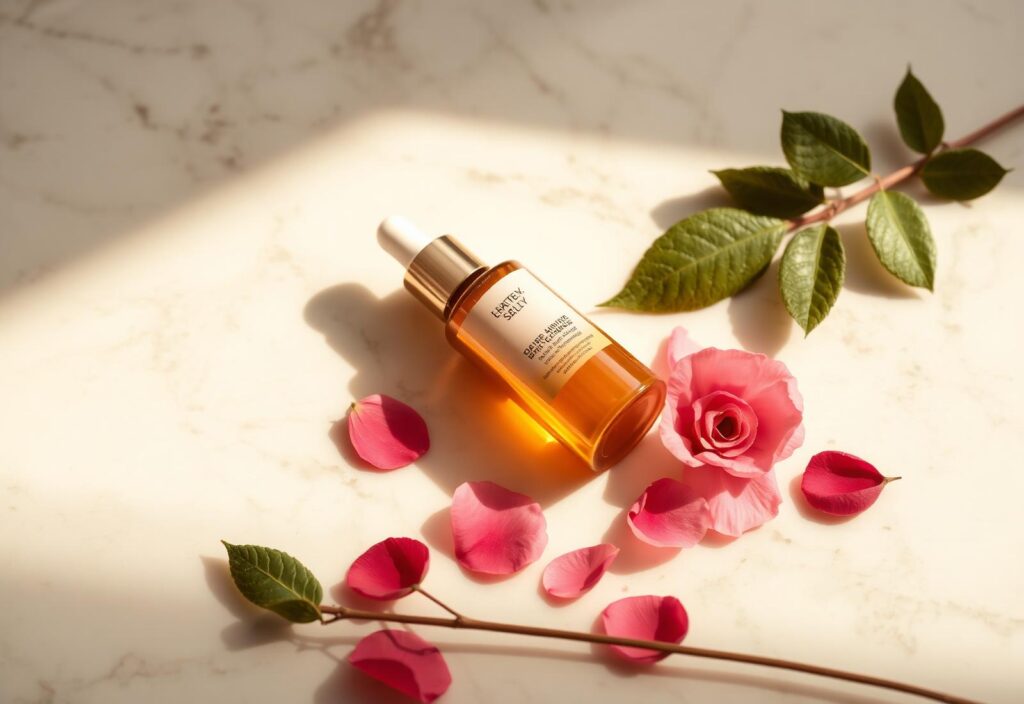
The beauty segment has shifted strongly towards holistic, inside-out concepts that connect appearance with overall well-being.
Consumers are increasingly interested in products that support skin quality, hydration and appearance as part of a broader lifestyle approach – rather than isolated cosmetic solutions.
This creates opportunities for brands to position products at the intersection of health, beauty and daily routines, while maintaining credibility and simplicity.
Ingredient concepts in this space focus on supporting structural aspects of skin and hair, as well as protection against everyday environmental stressors.

Joint health and mobility are becoming increasingly relevant across multiple consumer groups – from active individuals to aging populations looking to maintain independence and quality of life.
Consumers are not only seeking relief-oriented solutions, but increasingly products that help them stay mobile, active and flexible over time.
For brands, the challenge lies in creating formulations that combine credibility, long-term usability and clear positioning, without relying on overly technical or clinical messaging.
Ingredient concepts in this category often focus on structural support and balanced, anti-inflammatory-oriented approaches that fit into daily supplementation routines.

General health remains the foundation of the nutraceutical market, but consumer expectations have evolved significantly.
Today, products in this category are expected to be simple, reliable and easy to integrate into daily routines, while still offering a clear sense of value and purpose.
For brands, this creates the challenge of differentiating within a crowded space, where basic products are widely available but often lack clear positioning.
Ingredient concepts in this area focus on supporting overall well-being, daily balance and long-term usability – often serving as the entry point into broader product portfolios.